

10 Cheapest Travel Destinations in Europe: Budget-Friendly Cities and Tips for Savvy Travellers
You can explore Europe without blowing your budget by choosing cities that stretch your pounds further while still delivering culture, food and memorable sights. This guide shows ten affordable destinations and practical ways to save on transport, accommodation and activities so you can plan smarter trips for less.
Expect a mix of well-known favourites and underrated gems, plus quick tips on timing and money-saving habits that make budget travel realistic and enjoyable. Use the upcoming city entries and practical sections to match destinations to your travel style and season.

1) Lisbon, Portugal
You can stretch your travel budget further in Lisbon without missing the highlights. The city mixes historic neighbourhoods, tram-lined streets, and scenic viewpoints that you can explore on foot or by affordable public transport.
Accommodation ranges from budget guesthouses to mid-range hotels and rental apartments, often priced lower than other Western European capitals. Eating out is inexpensive if you favour local tasca restaurants, pastelarias and market stalls over tourist traps.
Many top sights, like Belém’s riverside monuments and viewpoints in Alfama, cost little or nothing to enjoy. Museums and attractions offer reduced fares on certain days, so plan ahead to save.
Lisbon’s compact layout makes it easy to combine walking, trams and buses to keep transport costs down. You’ll find a lively food scene and nightlife that won’t break the bank, making it a practical choice for budget-conscious travellers.
2) Budapest, Hungary
You’ll find Budapest offers strong value for your travel budget, with affordable accommodation, cheap public transport and plenty of low-cost or free attractions. The city splits into Buda and Pest across the Danube, each side offering different vibes and sights.
Visit thermal baths for a quintessential experience; many have reasonable entry fees and provide a relaxing way to spend an afternoon. Street food, local bistros and markets let you eat well without overspending, and wine or beer prices are generally lower than in Western Europe.
Museums, historic sites and river walks give you cultural mileage for little money, and walking between neighbourhoods reveals grand architecture at no cost. Nightlife ranges from budget-friendly ruin pubs to mid-range bars, so you can choose how much you want to spend.
Public transport is efficient and cheap, with single tickets and short-term passes that work well for short stays. For day trips, trains and buses to nearby towns are frequent and often affordable, making Budapest a good base for exploring more of Hungary.
Don’t forget that Martin Lewis Recommends Travel Insurance to any country in Europe.
3) Kraków, Poland
You can explore Kraków on a modest budget without missing its rich history and lively culture. The compact Old Town and Kazimierz district make walking the easiest and cheapest way to see major sights.
Food and drink are affordable; street food, milk bars and casual restaurants let you taste Polish dishes for a fraction of Western European prices. Public transport and many attractions, including free walking tours, keep daily costs low.
You’ll find a range of accommodation from budget hostels to well-priced guesthouses close to the main square. Train and bus links from other Polish cities are frequent and economical, which helps if you want to include nearby destinations.
Museum entry and guided tours carry modest fees, and booking in advance can save money during peak times. Kraków’s blend of monuments, markets and nightlife offers strong value for your travel budget.
4) Sofia, Bulgaria
You can stretch your travel budget further in Sofia, one of Europe’s most affordable capitals. Daily costs for food, transport and budget accommodation are low compared with Western European cities, letting you spend more on experiences.
You’ll find compact, walkable neighbourhoods with cafés, markets and parks within easy reach. Historic sites such as Alexander Nevsky Cathedral sit alongside Soviet-era architecture, giving a varied cityscape to explore on foot.
Public transport is inexpensive and efficient, so you can move across the city without hiring a car. Day trips to nearby Vitosha Mountain or the Rila Monastery are affordable and popular for quick escapes into nature.
Dining out and nightlife offer excellent value, from traditional mehanas serving hearty Bulgarian dishes to modern bars. With reasonable prices and plenty to see, Sofia makes a practical base for budget-conscious travellers in Europe.
5) Valencia, Spain
You can stretch your budget in Valencia without missing key experiences. The city offers affordable public transport, reasonably priced tapas bars, and many free or low-cost attractions like the Turia Gardens and the Central Market.
Stay in neighbourhoods such as Ruzafa or El Carmen to find cheaper guesthouses and short-stay flats within walking distance of main sights. Eating locally — paella at small family restaurants or pinchos at bars — keeps food costs down and gives an authentic experience.
Museums and the City of Arts and Sciences offer varied ticket prices and occasional discount days, so plan visits around cheaper entry times. Day trips by bus or cheap regional trains make nearby beaches and smaller towns easy to reach without high transport costs.
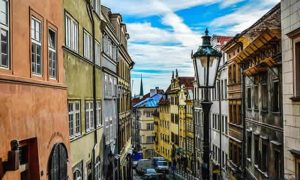
6) Prague, Czech Republic
You can see Prague’s medieval core without spending much; walking the Old Town, Charles Bridge and the Astronomical Clock costs nothing and reveals the city’s best sights. The compact layout makes it easy to explore on foot, saving on transport.
You’ll find affordable meals and famously cheap beer, with many pubs and market stalls offering good-value options. Public transport is reliable and inexpensive if you need to travel further afield.
Choose budget hotels, guesthouses or hostels in neighbourhoods like Žižkov or Vinohrady to lower accommodation costs. Booking in advance and travelling outside peak holiday weeks reduces prices further.
Free or low-cost museums, parks and riverbank strolls provide plenty of entertainment. With careful planning you can enjoy Prague’s architecture, culture and nightlife on a modest budget.
7) Porto, Portugal
You can explore Porto without spending a fortune by focusing on its compact centre and affordable public transport. Walk the Ribeira riverside, cross the Dom Luís I Bridge and savour scenic views without paying for guided tours.
Local food is budget-friendly: try francesinha in a simple café or grab petiscos (small plates) to share. Markets like Bolhão offer fresh produce and low-cost snacks that keep costs down.
Porto’s museums and churches often have low entry fees or free days, so plan visits accordingly. Stay in guesthouses or well-rated hostels in Cedofeita or Bonfim to cut accommodation expenses.
Day trips to nearby beaches or the Douro Valley can be economical if you take regional trains. You’ll find wine lodges with affordable tasting options if you book in advance.
8) Riga, Latvia
You’ll find Riga one of the best-value city breaks in Europe, with affordable food, cheap public transport and a wide choice of activities that suit tight budgets. The city often ranks at the top of annual cost comparisons for weekend trips, making it an economical option for short stays.
Stroll through the compact Old Town to admire Art Nouveau façades and visit free or low-cost museums and galleries. You can join inexpensive walking tours or explore markets and neighbourhood cafés without spending much.
Accommodation ranges from budget hostels to reasonably priced mid-range hotels, so you can stretch your travel budget further. Public transport and trams are cheap, and many attractions are within walking distance if you prefer to avoid fares.
If you time your visit outside peak summer months, you’ll find lower prices for flights and rooms. Riga gives you cultural variety and manageable costs, ideal when you want a rich city break without a large bill.
9) Belgrade, Serbia
You’ll find Belgrade offers strong value for money compared with many Western European capitals. Accommodation, local transport and meals are generally cheaper, so you can allocate more of your budget to experiences.
The city mixes Ottoman, Austro-Hungarian and socialist-era architecture, giving you varied streetscapes to explore on foot. Historic sites like Belgrade Fortress sit next to buzzing neighbourhoods such as Savamala and Skadarlija.
Nightlife remains a major draw and you can enjoy lively bars and river clubs without high prices. If you prefer quieter pursuits, good museums and riverside walks offer affordable options.
Day trips from Belgrade let you discover Serbia’s countryside and smaller towns without adding much cost. Trains and buses are inexpensive, making it easy to extend your itinerary on a budget.
10) Lviv, Ukraine
You will find Lviv offers a rich cultural experience at a low cost compared with many European cities. The compact Old Town is easy to explore on foot, letting you stretch your budget on food and attractions rather than transport.
Cafés and bakeries serve excellent coffee and regional dishes for a fraction of Western European prices. Museums, churches and the market square have modest entry fees or are free to admire from outside.
Accommodation ranges from budget hostels to affordable boutique hotels, with good value in shoulder seasons. Local trams and pedestrian streets keep getting around simple and inexpensive.
Be mindful of current travel advice and local conditions before you go. Carry local currency for small purchases and plan for some contingencies to keep your trip smooth.

Key Tips for Budget Travellers
Plan where you’ll sleep, eat and move around before you book anything. Small choices—night buses, guesthouses, market meals—cut costs quickly without reducing experience.
Accommodation Strategies
Choose guesthouses, family-run pensions or private rooms in hostels to save 40–70% versus mid-range hotels in many Eastern and Southern European destinations. Book refundable or flexible-rate rooms when flights might change and use price-tracking alerts for sudden drops.
Try these tactics:
- Use filters for “private room” and “free cancellation” on booking sites.
- Stay 2–3 nights in one place, then move to a smaller town where rates fall significantly.
- Consider monthly rentals (Airbnb, local letting sites) if you’ll stay 7+ nights; weekly discounts often apply.
- Check if the property includes kitchen access; cooking three meals a day can cut food costs dramatically.
Always read recent guest reviews for noise, location and hidden fees such as city taxes or cleaning charges.
Affordable Dining Options
Eat where locals eat rather than tourist hotspots. Look for daily menus (menu del día, menío) in Spain and Portugal or set lunch deals in Central Europe; these often include starter, main and drink for a fixed, lower price.
Smart choices you can use immediately:
- Buy fresh bread, cheese and fruit from markets for picnics.
- Seek bakeries and street-food stalls for cheap, high-quality meals.
- Use supermarket ready-meals, which are usually cheaper and widely available.
- Order one shared main or pick tapas/small plates to sample without overspending.
Tip: download local food apps or follow neighbourhood cafes on social media to spot limited-time offers and weekday discounts.
Saving on Transportation
Prioritise slower regional trains, intercity buses and night services to cut costs and save a night’s accommodation. Book long-distance bus or train tickets 2–6 weeks in advance for the best fares; some carriers release cheaper tickets early.
Concrete measures:
- Compare prices on aggregator sites (FlixBus, Omio, Trainline) and buy directly from the operator to avoid extra fees.
- Use discount cards or regional rail passes when you plan multiple journeys in one country.
- Walk or hire a bike for short trips—many European cities have low-cost bike rentals and free walking tours.
- Check local airport transfer options; sometimes a city bus or rail link costs under €5 compared with expensive taxis.
Carry a printed or offline map of transit routes and confirm night-service timetables to avoid costly last-minute rides.
Seasonal Considerations for Cheap European Travel
Peak seasons, shoulder months and local event calendars determine flight and accommodation prices. You can lower costs by choosing colder months, booking well before major festivals, and aiming for mid-week travel.
Best Times to Visit
Travel in late autumn (November) and late winter (February) for the steepest discounts on flights and hotels across many cheap European destinations like Poland, Portugal and the Balkans. Temperatures will be colder and daylight shorter, but prices for city breaks and hostels often fall by 30–60% compared with July and August.
Target shoulder months — April–May and September–October — if you want milder weather with still-lower rates than high summer. Book 6–10 weeks ahead for shoulder travel; reserve earlier (3–4 months) if you plan to visit coastal towns or popular UNESCO sites. Use mid-week departures and return flights to shave more off fares.
Impact of Public Holidays and Events
Public holidays and major events sharply increase local demand and prices. Examples: Easter week raises travel costs across Spain and Italy; Christmas markets push hotel rates in Germany and Austria; and national holidays in Turkey or Greece can fill cheaper guesthouses.
Check local calendars before you book. If you must travel during an event, book transport and accommodation at least three months out and consider staying in a nearby town to reduce cost. Use festival dates to your advantage by arriving just before or leaving the day after peak activity to capture lower nightly rates.